Compare Local Contractors for Concrete Ramp Installation Effortlessly
Compare local contractors for concrete ramp installation to define project scope, verify experience, and ensure clear written expectations for a successful upgrade.
Concrete ramp installation services typically encompass the design, preparation, and construction of accessible pathways that provide smooth transitions between different levels of a property. This work involves assessing the site to determine appropriate slope and dimensions, preparing the ground to ensure stability, and pouring or forming the concrete to create a durable, safe surface. Depending on the property’s needs, contractors may also incorporate features such as handrails, textured surfaces for slip resistance, or custom finishes to match existing structures. Clear communication about the scope of work can help ensure the finished ramp meets accessibility standards and property requirements.
Defining the scope of a concrete ramp project is essential for setting realistic expectations and ensuring the work aligns with specific needs. Property owners should consider factors such as the length, width, slope, and any additional features needed for compliance or personal preference. Outlining these details in writing before work begins helps prevent misunderstandings and provides a reference point for project adjustments. A well-defined scope also allows property owners to compare proposals from different service providers effectively, focusing on the quality of work and experience rather than just price or availability.
When evaluating local contractors for concrete ramp installation, property owners should consider their experience with similar projects and their familiarity with local building codes and standards. Reviewing portfolios or asking for references can provide insights into the quality of past work. It’s also helpful to compare how contractors approach project planning, communication, and scope clarification. Ensuring that each service provider understands and agrees to the project scope in writing can contribute to a smoother process and a final result that meets expectations. By taking these steps, property owners can make informed decisions when selecting a contractor for their concrete ramp needs.
Compare local contractors by outlining project priorities, verifying experience, and documenting clear scope and expectations.
- Compare Contractor Experience - Review the background and project history of local contractors to assess their expertise in concrete ramp installation.
- Define Project Scope Clearly - Establish detailed expectations and specifications to ensure alignment before work begins.
- Verify Service Provider Credentials - Confirm credentials, insurance, and references to select qualified local contractors.
- Document Agreements in Writing - Keep all project details, scope, and responsibilities documented to prevent misunderstandings.

Clearly define your project scope and compare local contractors’ experience to ensure expectations are aligned before selecting a provider.
- Verify the contractor’s experience with concrete ramp installations to ensure familiarity with similar projects. - Ensure scope of work is clearly defined and documented in the project agreement.
- Check that the contractor understands and complies with relevant building codes and accessibility standards. - Confirm that the contractor has appropriate insurance coverage for the work.
- Assess the contractor’s reputation by reviewing references or testimonials from previous clients. - Make sure the project specifications, materials, and finishes are detailed in the written agreement.
- Compare multiple local contractors to evaluate their proposed approaches and ensure consistency in scope and quality. - Clarify the responsibilities for site preparation, excavation, and finishing work in the scope of services.
- Request a detailed project plan that outlines procedures, materials, and quality control measures. - Confirm that the contractor provides a written warranty or guarantee for the work performed.
Compare local contractors' experience and clarify project scope to ensure smooth concrete ramp installation.
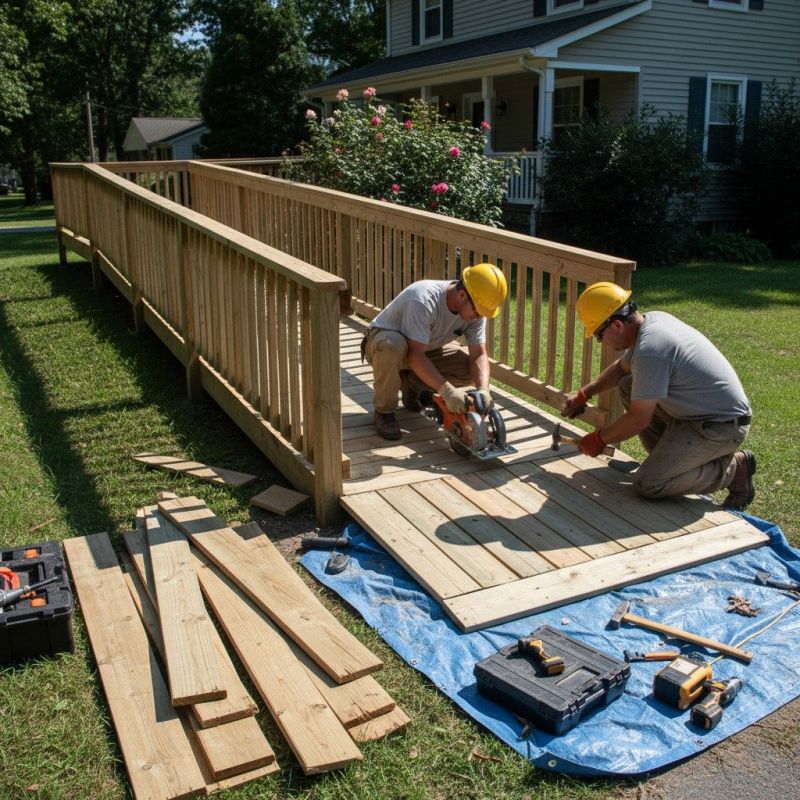



Learn how to compare local contractors, define project scope, verify experience, and set clear expectations in writing.
- Define project scope - clearly outline the specifications, dimensions, and purpose of the concrete ramp to ensure contractor understanding.
- Verify experience - assess the contractor’s prior work and expertise in installing concrete ramps similar to the project requirements.
- Establish material and finish expectations - specify the types of concrete, surface textures, and finishes desired for the installation.
- Document design and compliance requirements - include any relevant building codes, accessibility standards, or design preferences in written instructions.
- Compare service provider credentials - evaluate local contractors based on reputation, portfolio, and ability to meet the defined scope.
When evaluating contractors for concrete ramp installation, it’s important to consider their experience with similar projects. Homeowners should inquire about the types of ramps the contractor has previously installed, paying attention to the complexity and scale of those projects. A contractor with a proven track record in constructing durable, accessible ramps is more likely to understand the specific requirements and challenges involved. Verifying the contractor’s experience helps ensure that the chosen service provider has the practical knowledge necessary to deliver a reliable and compliant installation.
A clear, written scope of work is essential when comparing local contractors for concrete ramp projects. This document should outline the specific tasks to be completed, materials to be used, and the overall dimensions of the ramp. Having a detailed scope helps prevent misunderstandings and sets realistic expectations for the project. Homeowners are encouraged to review the scope carefully and ensure it aligns with their needs before proceeding. Clear documentation also provides a basis for assessing whether the contractor’s approach covers all aspects of the installation.
Verification basics involve confirming that the contractor has the appropriate background and expertise relevant to concrete ramp installation. Homeowners should ask for references or examples of completed projects similar in scope and style. It’s also helpful to verify that the contractor adheres to local building codes and standards, even if not explicitly mentioned in licensing or certification. Gathering this information allows for a more informed comparison of service providers and helps identify those who have successfully managed projects comparable to the homeowner’s needs.
When comparing options for concrete ramp installation, it’s important to evaluate how each contractor plans to approach the project and how well their scope aligns with the homeowner’s expectations. Homeowners should seek detailed explanations of the proposed work, including the methods to be used and any assumptions made about the site conditions. Reviewing written proposals and scope documents allows for a side-by-side comparison of how each service provider intends to handle the job. This process helps ensure that the selected contractor’s approach is comprehensive, realistic, and suited to the specific requirements of the project.
Request written scope and details from service providers to ensure clear expectations and consistent project understanding.
- Experience with Ramp Installation - What relevant experience do local contractors have with concrete ramp projects similar to the scope?
- Scope of Work Clarification - How do local service providers define and outline the specific tasks involved in the ramp installation?
- Material and Design Options - What materials and design features do local contractors recommend for durability and safety?
- Project Expectations in Writing - Do local contractors provide detailed written descriptions of the work scope and deliverables?
- Comparison of Service Offerings - How do different local contractors' approaches and service packages compare for concrete ramp installation?
How can I compare contractors for concrete ramp installation? To compare local contractors, review their experience, verify references, and assess the scope of services they offer to ensure they meet project needs.
What should I consider when defining the scope of a concrete ramp project? Clearly outline the desired ramp dimensions, accessibility requirements, and any specific design features to communicate expectations effectively to contractors.
How do I verify the experience of a contractor handling concrete ramp installation? Ask for examples of previous work, check references, and confirm how long the contractor has been performing similar projects in the area.
Why is it important to have project details in writing? Having the scope, materials, and expectations documented helps prevent misunderstandings and provides a clear reference throughout the project.
What questions should I ask contractors during the selection process? Inquire about their experience with similar projects, the materials they recommend, and how they handle project challenges or changes.
How can I ensure the contractor understands my specific needs for the concrete ramp? Communicate your requirements clearly and verify that the contractor provides a written scope of work that reflects your expectations before proceeding.
This page has provided an overview of key considerations for hiring contractors to handle concrete ramp installation, including how to define the scope of work, verify experience, and ensure clear communication through written agreements. Understanding these aspects can help in making informed comparisons among service providers and setting appropriate expectations for the project.
To find the right contractor for your needs, using the quote form allows you to connect with local service providers who can handle the job. Comparing options through this process can help identify professionals who best match your project requirements and preferences.